
Blog
Complete Guide to Batana Oil: Benefits, Uses, Hair Growth & Results in Australia

The global hair care market has seen a distinct shift toward raw, unrefined botanical ingredients. Among these, few have garnered as much attention in recent years as Batana Oil. Known for its historical roots in Central America and its exceptional concentration of essential fatty acids, this traditional ingredient is quickly becoming a staple for Australians looking to address hair thinning, breakage, and scalp dryness.
Navigating the world of natural hair products can be overwhelming, especially with the unique demands of the Australian climate. High UV exposure, saltwater drying, and varying regional water quality all challenge our hair’s structural health.
This comprehensive guide breaks down the science, cultural origins, practical application routines, and real-world results of Batana Oil to help you determine if it’s the right choice for your hair care journey.
What is Batana Oil? Understanding the Oil Australians Are Raving About
Batana Oil is a nutrient-dense fat extracted from the nuts of the Elaeis oleifera (American Oil Palm) tree. Indigenous to the wild coastal regions of Central America, this tree thrives particularly within the Gracias a Dios department of northeast Honduras.
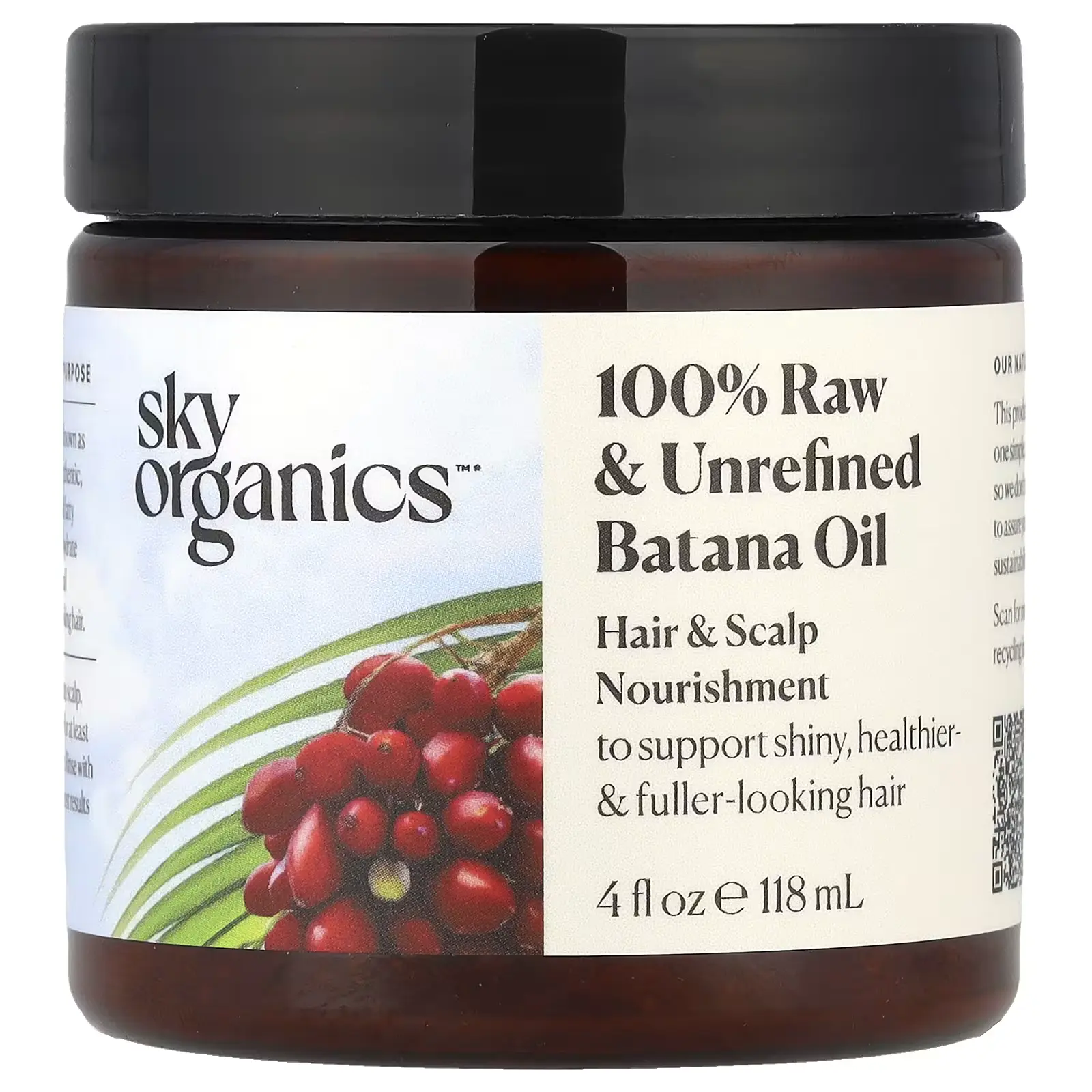
For centuries, the indigenous Miskito people—historically referred to as the Tawira, meaning “the people of beautiful hair”—have relied on this paste as a cornerstone of their health and grooming traditions.
The traditional extraction of unrefined Batana oil is incredibly labor-intensive. The wild palm nuts are gathered, boiled to soften the outer husks, and cracked open by hand to extract the kernels. These kernels are then slowly roasted over an open flame and ground into a rich, dark paste, which is boiled once more to separate the pure, raw oil.
The final product is a solid or semi-solid balm at room temperature, featuring a deep amber-brown hue and a distinctive, natural aroma reminiscent of coffee, tobacco, and roasted nuts.
In the late 20th century, herbalist Dr. Sebi brought global attention to Batana Oil by highlighting its traditional role in supporting scalp vitality and moisture retention. Today, it is recognized globally as a premium treatment for damaged, over-processed, or thinning hair structures.
How Does Batana Oil Work for Hair Growth?
To understand how Batana Oil supports hair growth, it helps to understand the cycle of the human hair follicle. Your hair continuously moves through three distinct phases:
- Anagen Phase: The active growth stage.
- Catagen Phase: The brief transition stage where the follicle shrinks.
- Telogen Phase: The resting stage that leads to natural shedding.
Hair thinning and density loss occur when follicles are prematurely pushed into the telogen phase or when the active anagen phase is shortened by factors like nutritional deficiencies, environmental stress, or poor scalp health.
Batana Oil supports hair vitality primarily through its unique composition of lipids (fats) that mimic the scalp’s natural sebum. When massaged into the scalp, its nutrient profile delivers key benefits directly to the root:
Nourishing the Hair Root: The deep penetration of oleic and linoleic acids delivers essential nutrients straight to the hair follicle, providing a supportive environment for structural strength.
Strengthening the Hair Shaft: By coating the hair cuticle in a protective lipid layer, Batana Oil smooths down overlapping keratin scales, significantly reducing split ends and mid-shaft breakages.
Supporting Follicle Health: Rich in antioxidant compounds, the oil helps protect the scalp from daily environmental stress, supporting the hair’s natural growth cycles.
Scientific Research on Batana Oil: What Studies Show
While historical use offers valuable insight, modern trichology—the scientific study of the hair and scalp—looks to lipid profiles to understand why an ingredient works. Lab analyses show that Batana Oil contains a powerful blend of monounsaturated and polyunsaturated fatty acids, alongside essential fat-soluble micronutrients.
The dominant fatty acid in Batana Oil is Oleic Acid ($\text{C}_{18}\text{H}_{34}\text{O}_2$), an omega-9 fatty acid known for its ability to penetrate skin tissue. Oleic acid acts as a natural enhancer, carrying other active nutrients past the scalp’s surface layer (stratum corneum) directly to the hair roots.
Key Benefits of Batana Oil for Hair
Integrating raw Batana Oil into an regular hair care regimen delivers several targeted, structural benefits:
Promotes Hair Growth & Thickness
By keeping the scalp deeply moisturized and nourished, Batana Oil helps support the hair’s natural growth potential. Over time, this consistent nourishment helps new growth feel thicker and more resilient.
Reduces Hair Loss & Prevents Breakage
Most visible hair thinning is caused by hair snapping mid-shaft due to dryness. Batana Oil increases hair elasticity, allowing strands to bend rather than snap during brushing, styling, and washing.
Moisturizes & Nourishes Scalp
A dry, flaky scalp can compromise hair quality. Batana Oil absorbs smoothly without leaving a sticky residue, soothing irritation and helping to rebalance your scalp’s natural oils.
Improves Hair Shine & Smoothness
By sealing the outer cuticle layer, Batana Oil restores a healthy, natural shine to dull or over-processed hair, helping to tame frizz without relying on synthetic silicones.
Strengthens Hair Roots
The rich combination of palmitic and stearic acids creates a supportive layer around the base of the hair shaft, reinforcing the hair from root to tip.
How to Use Batana Oil: Step-by-Step Application Guide
To get the most out of your Batana Oil, it’s important to apply it correctly. Because unrefined oil is thick and concentrated, a mindful technique ensures optimal absorption without weighing your hair down.
How Much Batana Oil to Use
For Scalp Treatment: Use a small, coin-sized scoop (approx. 3-5 mL). Melts easily between your palms.
For Split Ends / Hair Shaft: Use a tiny, pea-sized amount rubbed between your fingertips.
Best Time to Apply Batana Oil
Apply it as a pre-shampoo treatment on wash days, or use it as an intensive overnight mask. If you have coarse or highly textured hair, a very light application can be used on damp ends after washing to seal in moisture.
Performing a Strategic Patch Test
Before applying Batana oil all over your scalp, always run a simple patch test to check for any personal skin sensitivities or contact dermatitis:
Wash a small patch of skin on your inner forearm or behind your ear with mild soap, then pat dry.
Leave the area untouched for 24 hours. Check the skin periodically for any signs of redness, itching, burning, or swelling. If any irritation occurs, wash the area with cool water immediately and discontinue use.
Apply three to four drops of melted Batana oil to the area and cover it with a standard adhesive bandage.
Scoop a small amount of raw Batana Oil balm into your palms. Rub your hands together for 5 to 10 seconds; the friction will melt the paste into a smooth, warm golden liquid.
2.Targeted Scalp Massage:Application Stage.
Part your hair into sections. Using your fingertips (avoiding fingernails), gently massage the oil into your scalp using circular motions for 3 to 5 minutes to support circulation and even distribution.
3.Distribute to Ends:Protection Stage.
Take any remaining oil on your hands and smooth it downward from the mid-lengths of your hair to the tips, paying extra attention to areas prone to split ends.
4.Rest and Absorption:Dwell Time.
Gather your hair into a protective style or shower cap. Allow the oil to work its way into your hair for at least 20 to 30 minutes. For a deeper treatment, you can leave it on overnight.
5.Emulsify and Wash Out:Cleansing Stage.
Step into the shower and rinse with warm water first to help loosen the oil. Apply a sulfate-free shampoo directly to the oiled areas, lather thoroughly, and rinse. Follow with a second light shampoo if needed.
Batana Oil vs Other Hair Oils: Comprehensive Comparison
| Oil Type | Molecular Mass | Primary Strength | Ideal Hair Profiling |
| Pure Batana Oil | Medium-Heavy | Root nourishment & structural strengthening | Thinning, brittle, or sun-damaged hair |
| Rosemary Oil | Ultra-Light (Essential) | Scalp stimulation | Fine hair seeking lightweight care |
| Castor Oil | Very Heavy / Viscous | Heavy moisture barrier protection | Coarse, highly porous hair textures |
| Argan Oil | Light | Surface shine & thermal protection | Daily styling & fine hair types |
The Structural Takeaway: While oils like Argan are excellent for daily surface styling, Batana Oil stands out for its rich, unrefined nutrient profile, making it a powerful choice for deep, overnight structural treatments.
Types of Batana Oil: Raw vs Refined vs Processed
The effectiveness of Batana Oil depends entirely on how it was processed. Understanding these differences ensures you get the results you’re looking for:
- Raw / Unrefined Batana Oil: This version is never exposed to chemical solvents or extreme industrial heat. It retains its natural dark amber color, earthy, roasted aroma, and its full profile of active nutrients. This is the gold standard for hair and scalp care.
- Refined Batana Oil: Processed to remove its natural color and scent, this type undergoes bleaching and deodorization. Unfortunately, this process strips away many of the delicate antioxidants, carotenoids, and fatty acids that make the oil so beneficial in the first place.
- Processed Blends: Often marketed as “Batana Oil Serum,” these products sometimes contain only a small percentage of actual Batana Oil, diluted with cheap mineral oils, synthetic silicones, or fillers. Always check the ingredient list to ensure pure Elaeis oleifera kernel oil is at the top.
Selecting Quality Batana Oil in Australia
As demand grows, counterfeit or highly diluted products are becoming more common in the Australian market. To ensure you are buying genuine, high-quality Batana Oil, look for these three key indicators:
Supply Chain Integrity: Authoritative distributors will openly share their sourcing origins, such as direct partnerships with communities in Honduras, alongside independent laboratory checks (like GC-MS purity testing) to verify the authenticity of their batches.
The Sensory Test: Authentic unrefined Batana oil should be a firm balm at room temperature (below $24^\circ\text{C}$), melt easily upon skin contact, and have a distinct, smoky aroma of roasted coffee beans. If it is completely odorless, water-clear, or smells like synthetic perfume, it has been heavily refined or altered.
Ingredient Labeling Transparency: The ingredient list should contain only one botanical name: Elaeis Oleifera Kernel Oil (or Elaeis oleifera). Avoid products list water, cyclomethicone, or isopropyl myristate as their primary ingredients.
Safety, Toxicology, and Potential Side Effects
While Batana oil is a natural, non-toxic botanical lipid, its high concentration of active compounds means you should still approach its use mindfully, particularly if you have sensitive skin or existing allergies.
Performing a Strategic Patch Test
Before applying Batana oil all over your scalp, always run a simple patch test to check for any personal skin sensitivities or contact dermatitis:
- Wash a small patch of skin on your inner forearm or behind your ear with mild soap, then pat dry.
- Apply three to four drops of melted Batana oil to the area and cover it with a standard adhesive bandage.
- Leave the area untouched for 24 hours. Check the skin periodically for any signs of redness, itching, burning, or swelling. If any irritation occurs, wash the area with cool water immediately and discontinue use.
Understanding the Comedogenic Index
Batana oil sits at approximately 2 to 3 on the Comedogenic Scale. This means it has a mild to moderate tendency to clog pores if applied too heavily. If you are highly prone to acne along your hairline, face, or back, be extra careful to keep the oil focused strictly on your scalp and hair strands, and ensure you rinse it away completely during your shampoo steps.
Real Results: Batana Oil Before & After in Australia
When tracking your hair care progress, consistency and realistic expectations are key. Because hair grows at an average rate of about $1\text{ cm}$ per month, structural changes take time.
ESTIMATED PROGRESS TIMELINE:
├── Weeks 1-4: Reduced wash-day shedding, less brushing breakage, and a calmer, more hydrated scalp.
├── Weeks 4-8: Improved hair texture, enhanced natural curl definition, and noticeably smoother ends.
└── Weeks 12+: New growth begins to fill in thinning areas, leading to better overall hair density.
To see the best results, take a baseline photo of your scalp and hair ends under consistent lighting before your first treatment, and update your photos every 30 days.
Batana Oil for Different Hair Types & Concerns
Every hair profile needs a slightly different approach when it comes to rich botanical fats:
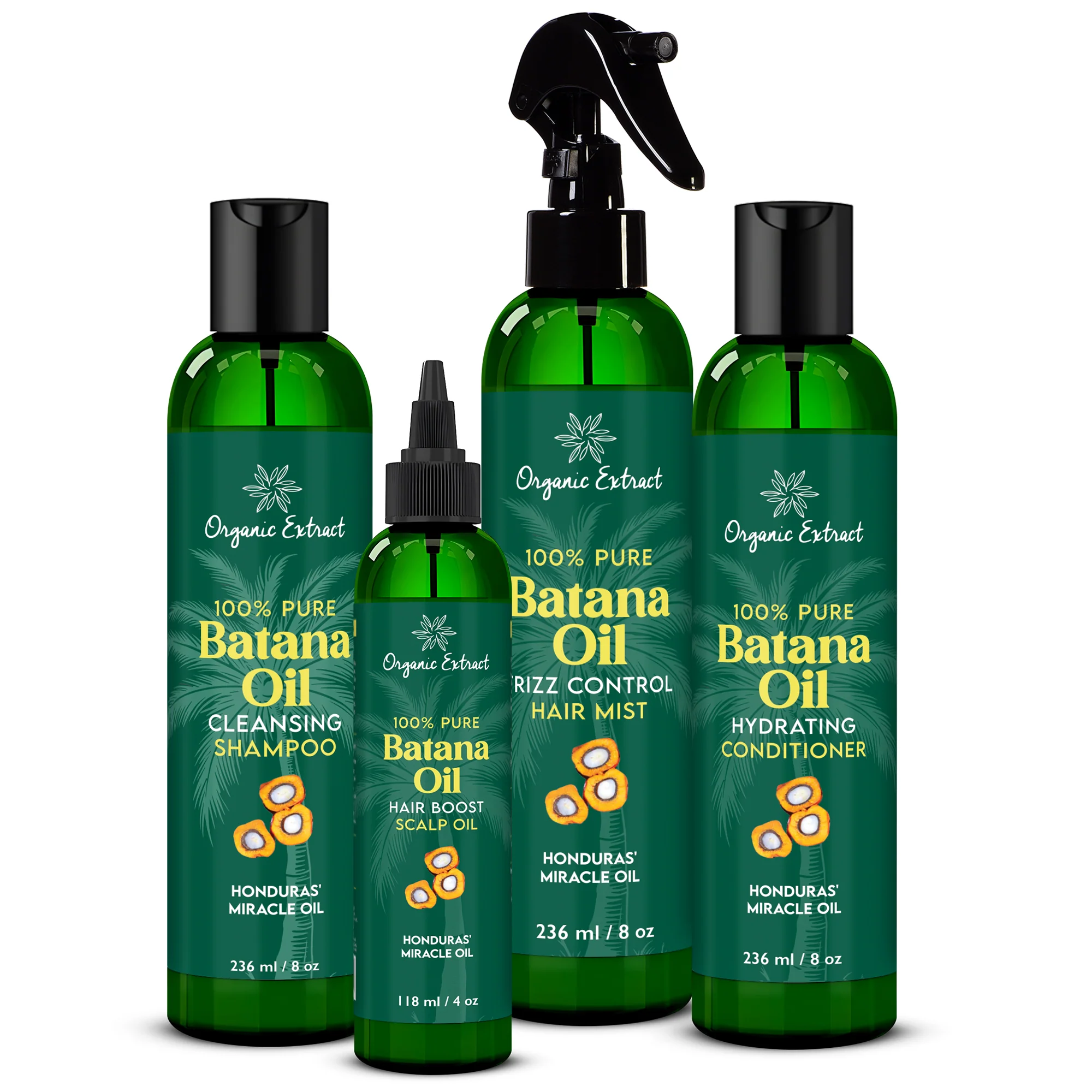
Fine or Thinning Hair: To enjoy the benefits of Batana Oil without flattening fine hair, use it strictly as a pre-shampoo mask. Apply a minimal amount to the scalp 20 minutes before washing, then thoroughly cleanse with a gentle, sulfate-free shampoo.
Coarse, Curly, and Coily Hair (Types 3 & 4): These hair types naturally experience higher porosity and faster moisture loss. Batana Oil works beautifully as a leave-in sealant, smoothed onto damp ends after conditioning to lock in long-lasting hydration.
Addressing Australian Environmental Stress: High UV exposure during Australian summers can degrade the hair’s natural keratin proteins. Applying a tiny amount of Batana Oil down the hair length before heading outdoors creates a helpful natural barrier against the drying effects of sun, wind, and salt water.
Where to Buy Authentic Batana Oil in Australia
When purchasing Batana Oil within Australia, choose specialized suppliers that offer direct domestic shipping rather than relying on unverified third-party online marketplaces.
Opting for brands that ship via Australia Post ensures your products arrive quickly and aren’t left sitting in unconditioned transit environments for weeks at a time, which can compromise the delicate antioxidants in unrefined oils. Look for trusted domestic stockists like batanaoil.au that specialize in verified, pure Honduran imports.
Cost vs Results: Is Batana Oil Worth It?
Because authentic Batana Oil is harvested by hand in limited quantities, it carries a higher price point than mass-produced oils like coconut or sunflower oil.
However, its concentrated nature means a single $120\text{mL}$ jar can last anywhere from three to six months with regular use. When compared to the ongoing cost of synthetic salon treatments or clinical options, pure Batana Oil offers an exceptionally cost-effective, multi-purpose solution for long-term hair and scalp health.
FAQ’s
Most users notice a reduction in hair breakage and improved scalp hydration within the first 3 to 4 weeks. Visible changes in hair density and thickness typically appear after 12 weeks of consistent, twice-weekly application.
For most hair types, using it every day on the scalp is unnecessary and can cause product buildup. Applying it 2 to 3 times a week as a treatment is ideal. However, a tiny amount can be used daily on very dry ends to help tame frizz.
Yes. Pure, unrefined Batana Oil is completely free of synthetic chemicals and sulfates, making it safe for color-treated or chemically straightened hair. Its high antioxidant content also helps protect your color from fading under UV exposure.
If used in moderation and washed out properly, it will not leave your hair looking greasy. If your hair feels heavy or weighed down after washing, try reducing the amount you use or double-shampooing with a gentle, sulfate-free cleanser.
Absolutely. Batana Oil is highly effective for men looking to support hair density, soothe a dry scalp, or soften and condition a dry beard.
No. Unlike essential oils (such as Rosemary) which must be diluted in a base oil, or heavy castor oils which can be difficult to wash out, Batana Oil is a unique standalone fat with a distinct balance of oleic acid and protective carotenoids.
Yes. You can melt a small amount of Batana Oil and blend it into your favorite silicone-free conditioner or mix it with complementary oils like Rosemary or Jojoba to create a customized scalp treatment.
Pure Batana Oil is unrefined, retaining its natural dark color, rich coffee-like aroma, and active nutrients. Refined Batana oil has been industrially processed to remove its scent and color, which strips away many of its beneficial properties.
Authentic, unrefined Batana Oil has a distinct, warm aroma that smells like roasted coffee beans, tobacco leaves, or dark chocolate. The scent is natural and typically fades within an hour of washing it out.
Pure Batana Oil is a 100% plant-derived ingredient with no synthetic additives. However, because every pregnancy journey is unique, it is always best to double-check with your healthcare professional before introducing new personal care products.
Authentic, traditionally harvested Batana Oil from Honduran communities is entirely cruelty-free and produced using sustainable, heritage-focused practices.
Store your jar in a cool, dry place away from direct sunlight and moisture. In hot Australian summer conditions where indoor temperatures exceed $25^\circ\text{C}$, the balm may naturally liquefy; storing it in the refrigerator will keep it firm and preserve its freshness.
A pure, unrefined jar of Batana Oil typically stays fresh for 18 to 24 months after opening, provided it is kept sealed and away from moisture.
While rare, anyone can have a personal sensitivity to a specific plant. Always perform a quick 24-hour patch test on your arm before applying it to your scalp for the first time.